Explore India's "foreign hand" playbook, a three-step government response to mass protests: delegitimization, financial chokeholds, and leadership arrests. This pattern has been applied across various movements, from anti-CAA protests to farmers' agitations.
This post explores the fundamental asymmetry in Indian electoral politics: voters often compare an incumbent government's audited record with a challenger's unaudited promises, creating a rigged comparison against the incumbent.
This post analyzes international migration from the Global South, particularly India, to Western nations, revealing a shift from human capital transfer to an "Extraction Economy." It details financial, labor, and political extraction mechanisms where migrants are treated as resource sites.
Explore the impact of the Dravidian movement on Tamil Nadu's caste system. Did it truly dismantle the caste pyramid or merely shift power from Brahmins to dominant intermediate castes, leaving Dalits marginalized?
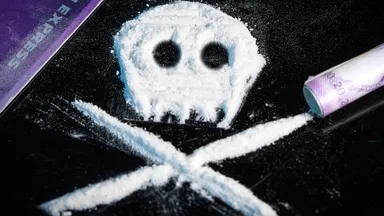
South India, once seen as immune to drug abuse, is now battling a severe narcotics crisis. This post explores how economic distress and international cartels have transformed states like Kerala and Andhra Pradesh into major hubs for drug consumption and supply.
Explore the dual nature of linguistic pride in India, from a force for progress to a source of hostility. When does subnationalism cross into chauvinism?
Tamil Nadu's state debt has almost doubled under DMK rule, sparking political debate. While liabilities have surged from ₹4.8 to ₹9.29 lakh crore, the growth is contextualized by economic expansion and historical burdens.
This analysis compares development in Tamil Nadu (DMK) and Gujarat (BJP) across economic growth, social welfare, health, education, and infrastructure. It highlights their distinct governance models and their impact on state progress.
Explore Indian secularism not as a Western import, but as a unique, contested experiment in managing religious diversity. This post contrasts it with French and American models, arguing for a nuanced understanding of its historical roots and future challenges.